As a manufacturer of electrolytic copper equipment, we typically participate in refinery construction by providing integrated equipment and system solutions. Our core recommendations are outlined below:
I. Preliminary Planning and Capacity Definition
First, the production capacity must be defined. The number of electrolytic cells is determined by the target capacity, while equipment selection must align with anode plate dimensions and electrode spacing parameters. We recommend the permanent cathode process utilizing stainless steel cathode plates, which offer a long service life.
II. Core Equipment Configuration
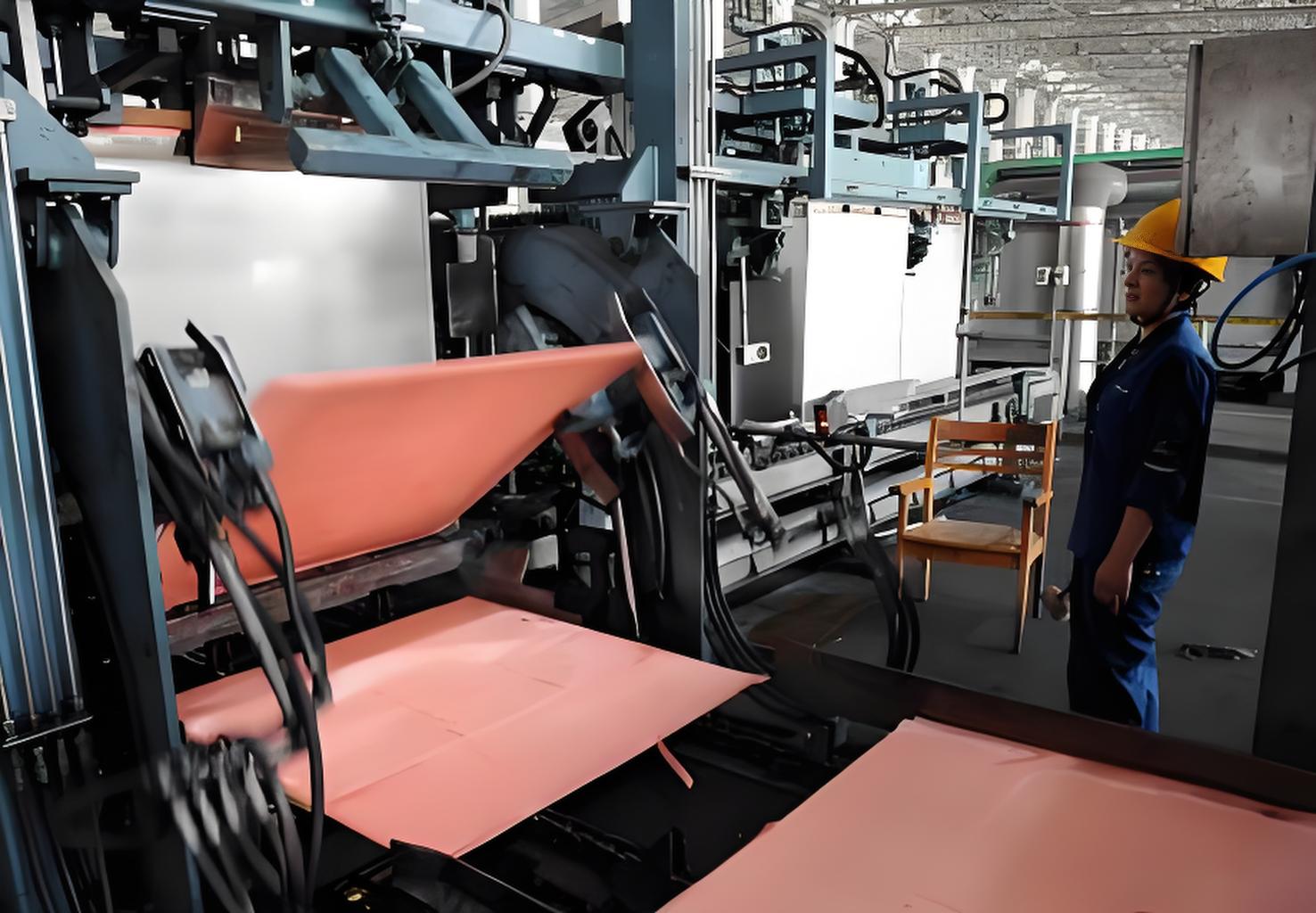
The equipment suite includes electrolytic cells (monolithic polymer concrete cells), fully automated overhead cranes, anode preparation units, cathode stripping units, and anode scrap washing units. Notably, the cathode stripping unit must feature automated stripping, washing, and stacking capabilities.
III. Key Construction and Installation Points
Copper Busbar Installation: Busbars in the electrolysis workshop carry currents ranging from thousands to tens of thousands of amperes; installation must ensure flat contact surfaces and proper tightening torque to minimize contact resistance and energy consumption.
Anti-corrosion Measures: Roof panels, scaffolding, and equipment foundations in the electrolysis area require rigorous anti-corrosion treatment to prevent damage from acidic gases and liquids.
Intelligent Electromechanical Control: Modern refineries require integrated intelligent control systems to coordinate the operation of rectifiers, cranes, stripping units, and electrolyte circulation systems.
IV. Environmental Protection and Resource Utilization
Equipment configuration must meet stringent environmental standards. Acid mist generated during electrolysis must be captured and treated via cell-surface covers and ventilation systems. As anode slime is a vital raw material for precious metal recovery, dedicated processing equipment should be installed to facilitate the comprehensive recovery of valuable metals such as gold and silver.
We provide comprehensive, industrial-scale solutions for electrolytic copper equipment—covering process design, core equipment manufacturing, and on-site installation guidance—to ensure refineries achieve their operational goals of high efficiency, energy conservation, and environmental sustainability.