



NEWS&EVENTS
Home > News&Events > Company news > Control of Cathode Antimony Purity and Morphology in Antimony Electrolysis Equipment
In antimony electrolysis equipment, the purity and physical morphology of the cathodic antimony serve as key indicators of the process's quality; both directly determine the yield and product quality of the subsequent melting and casting stages. Achieving optimal cathodic deposition requires the systematic and coordinated control of equipment design and process parameters.
The purity and morphology of the cathodic antimony depend on the coordinated control of the following equipment and process parameters:
Current density: Excessive density leads to rough deposits and electrolyte entrapment, while insufficient density results in low production efficiency.
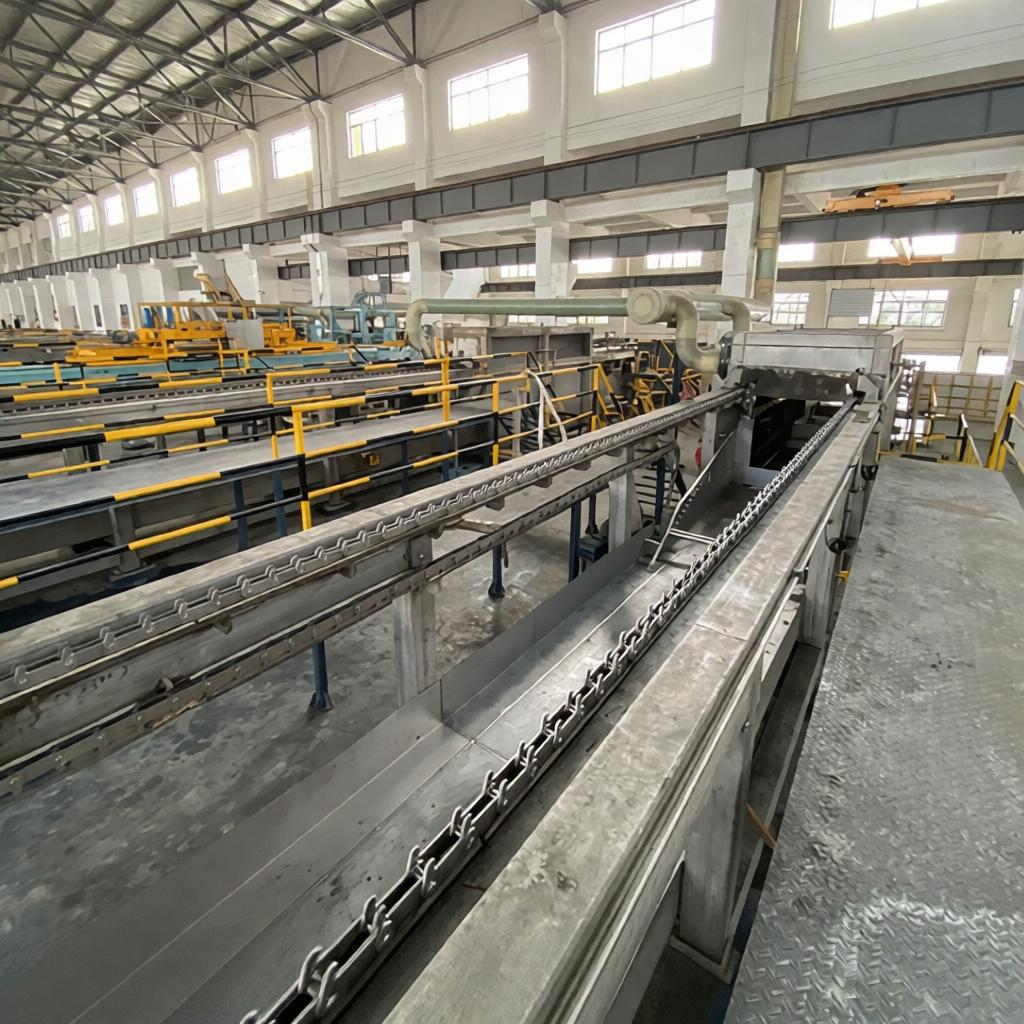
Electrolyte circulation and filtration: Suspended anode slime must be removed using plate-and-frame filter presses or continuous filtration systems to prevent mechanical inclusion in the cathode deposit.
Inter-electrode spacing: Insufficient spacing risks short circuits, whereas excessive spacing raises cell voltage and increases energy consumption.
Additive concentration: Additives such as bone glue refine grain structure, resulting in a dense, smooth cathodic antimony deposit that facilitates subsequent melting and casting.
Cathode plate material and surface treatment: Stainless steel or titanium starter sheets require polishing and passivation to ensure easy stripping of the antimony layer; if antimony starter sheets are used directly, the flatness of the starting sheet must be strictly controlled.
Temperature and agitation: Moderate heating improves electrical conductivity, but excessive heat accelerates impurity dissolution; air or mechanical agitation is typically employed to ensure a uniform electrolyte composition.
In summary, the proper selection of electrolysis equipment and the precise matching of the aforementioned process parameters are crucial for producing high-purity, dense, and smooth cathodic antimony. Only through the integrated optimization of equipment control and operating conditions can consistent compliance with purity and morphological standards be achieved.