



NEWS&EVENTS
Home > News&Events > Company news > Is Electrolyte Purification Mandatory for Scrap Copper Electrorefining?
In the scrap copper electrorefining process, the electrolyte purification system is not an optional configuration but a mandatory core stage. The reason lies in the significant difference in impurity composition between scrap copper anodes and mineral copper anodes.
The total content of impurities such as arsenic, antimony, and bismuth in scrap copper anodes is usually higher than in mineral copper anodes. These impurities continuously dissolve during electrolysis and accumulate in the electrolyte. If not controlled in time, impurity concentrations will gradually rise and directly affect the stable operation of the electrolysis process.
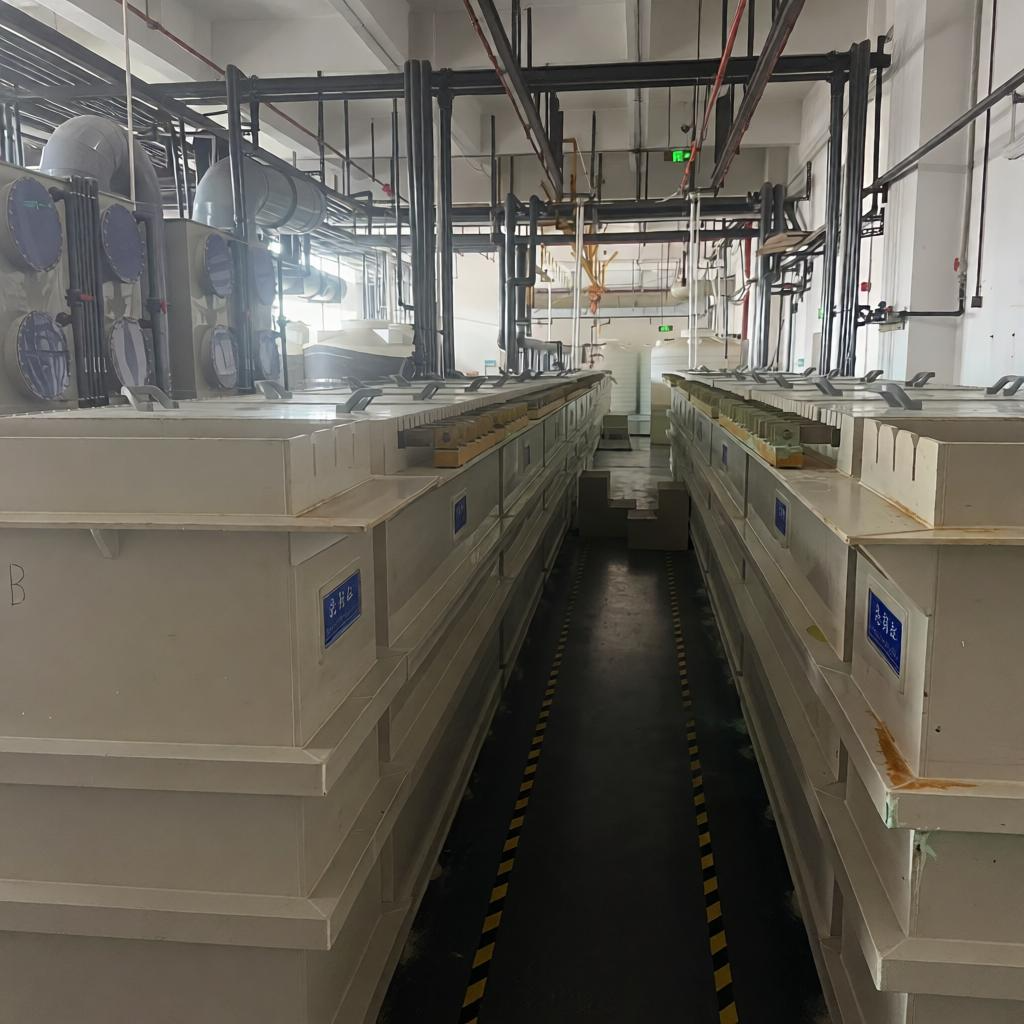
If a portion of the electrolyte is not withdrawn for purification treatment — such as induced decopperization and arsenic, antimony, and bismuth removal — impurity concentrations in the electrolyte will exceed the permissible limits. The direct consequence is deterioration of cathode copper quality, manifesting as nodules, brittleness, and other defects, and in severe cases affecting the product qualification rate.
In the circulation system of scrap copper electrolysis, the purification stage serves a dual function: first, it controls the concentration of impurities such as arsenic, antimony, and bismuth to ensure cathode copper quality; second, it maintains the volume balance of the electrolyte. Therefore, the electrolyte purification system is an indispensable necessary stage in the circulation system of scrap copper electrorefining, not an optional accessory.
Scrap copper electrorefining must include an electrolyte purification system. This is determined by the high impurity content of scrap copper anodes and is a necessary measure to ensure cathode copper quality and maintain the stability of the electrolyte system.