



NEWS&EVENTS
Copper anode slime is an important by-product of the copper electrorefining process. It may look like waste residue, but it actually contains considerable economic value. So how does it form, and how should it be processed?
In copper electrorefining, blister copper serves as the anode and gradually dissolves under the action of electric current. Soluble metals such as copper enter the electrolyte and deposit on the cathode as pure copper, while precious metals such as gold, silver, and platinum, along with some impurities, do not dissolve in the electrolyte and gradually settle to the bottom of the electrolytic cell, forming anode slime.
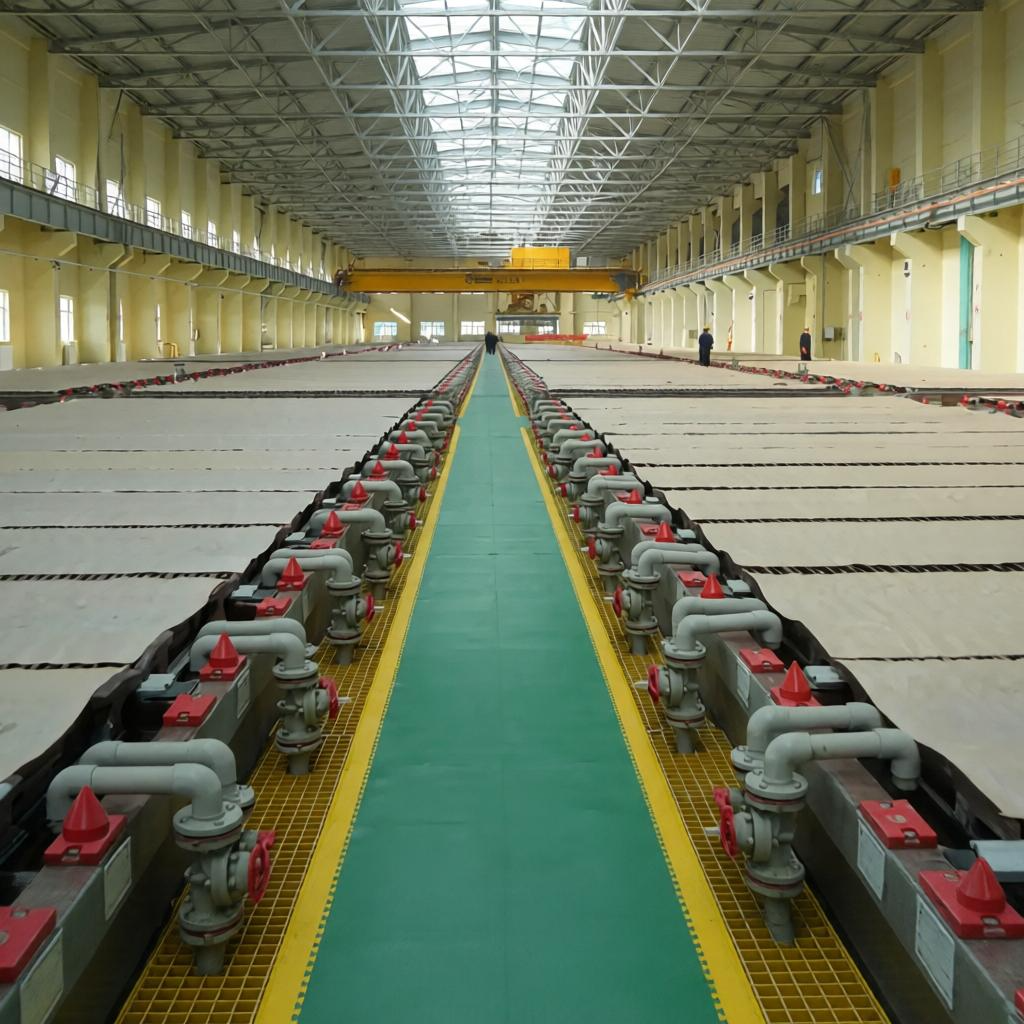
Anode slime is periodically extracted from the bottom of the cell, then filtered to remove excess electrolyte and dried. The dried anode slime is sent to the precious metal recovery stage, where gold, silver, and other valuable metals are extracted through pyrometallurgical or hydrometallurgical processes.
Anode slime is rich in precious metals and is one of the important profit sources for copper smelting enterprises. Scientific treatment of anode slime not only improves resource utilization but also reduces environmental pollution, achieving both economic and environmental benefits.
In short, copper anode slime forms a complete resource recycling chain from settling at the cell bottom to precious metal recovery, making it an indispensable part of modern copper smelting.