



NEWS&EVENTS
The core objective of copper electrolytic refining is to stably produce high-purity copper cathodes with minimal energy and labor consumption, while effectively recovering valuable impurities—such as gold and silver—from the anode slime. To achieve this, the development of copper electrolysis equipment advances synergistically along three technical pathways:
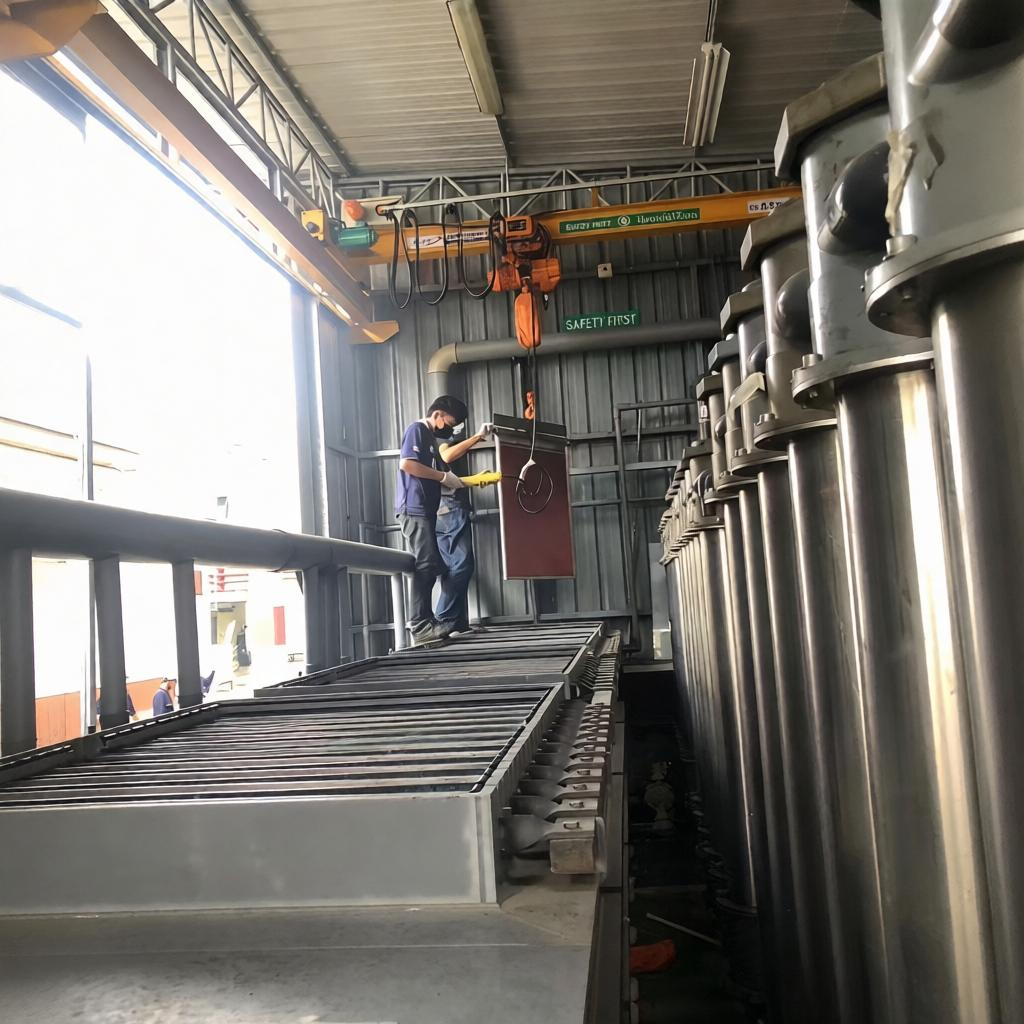
First, ensuring high purity and controlling impurities. Electrolytic cells typically utilize corrosion-resistant polymer concrete or lead-lined steel structures. Precision electrode spacing adjustment mechanisms ensure uniform gaps between anodes and cathodes, thereby minimizing short circuits and uneven current distribution. Electrolyte management systems—featuring continuous filtration, constant temperature control, and automatic additive dosing—precisely inhibit the co-deposition of impurities, ensuring cathode purity exceeds 99.99%. Simultaneously, automated anode slime collection and enclosed transport systems enhance precious metal recovery rates and reduce metal loss.
Second, improving energy efficiency and current density. Equipment designs incorporate highly conductive cathode mother plates and optimized electrode structures to reduce contact resistance. By increasing current density and intensifying electrolyte circulation, production capacity per unit area is boosted without compromising cathode quality. Energy-efficient rectifiers and waste heat recovery systems further lower the electricity consumption per tonne of copper produced.
Third, integration and automation. Copper refineries widely employ systems for crane positioning, automatic electrode spacing, short-circuit detection, and robotic stripping, enabling continuous operations from cell loading to copper discharge. Distributed Control Systems (DCS) monitor cell voltage, temperature, and flow rates in real-time, maintaining optimal operating parameters and significantly reducing the need for manual intervention and the risk of operational errors.
In summary, through material optimization, process intensification, and intelligent control, copper electrolysis equipment enables large-scale production characterized by low energy and labor consumption, all while maintaining high product purity and recovery rates.