



NEWS&EVENTS
Home > News&Events > Company news > Key Points for Selecting Electrolytic Cells for Antimony Electrolysis Equipment
The core of electrolytic cell selection for antimony electrolysis equipment lies in matching the electrolyte system. Acidic systems (such as tartaric acid systems and chloride systems) place extremely high corrosion-resistance requirements on plastic or resin materials; improper material selection can easily lead to cell corrosion and shortened service life. If the process involves high temperatures or strongly oxidizing environments, higher-grade anti-corrosion measures such as titanium materials should be considered to ensure long-term stable operation of the electrolytic cell.
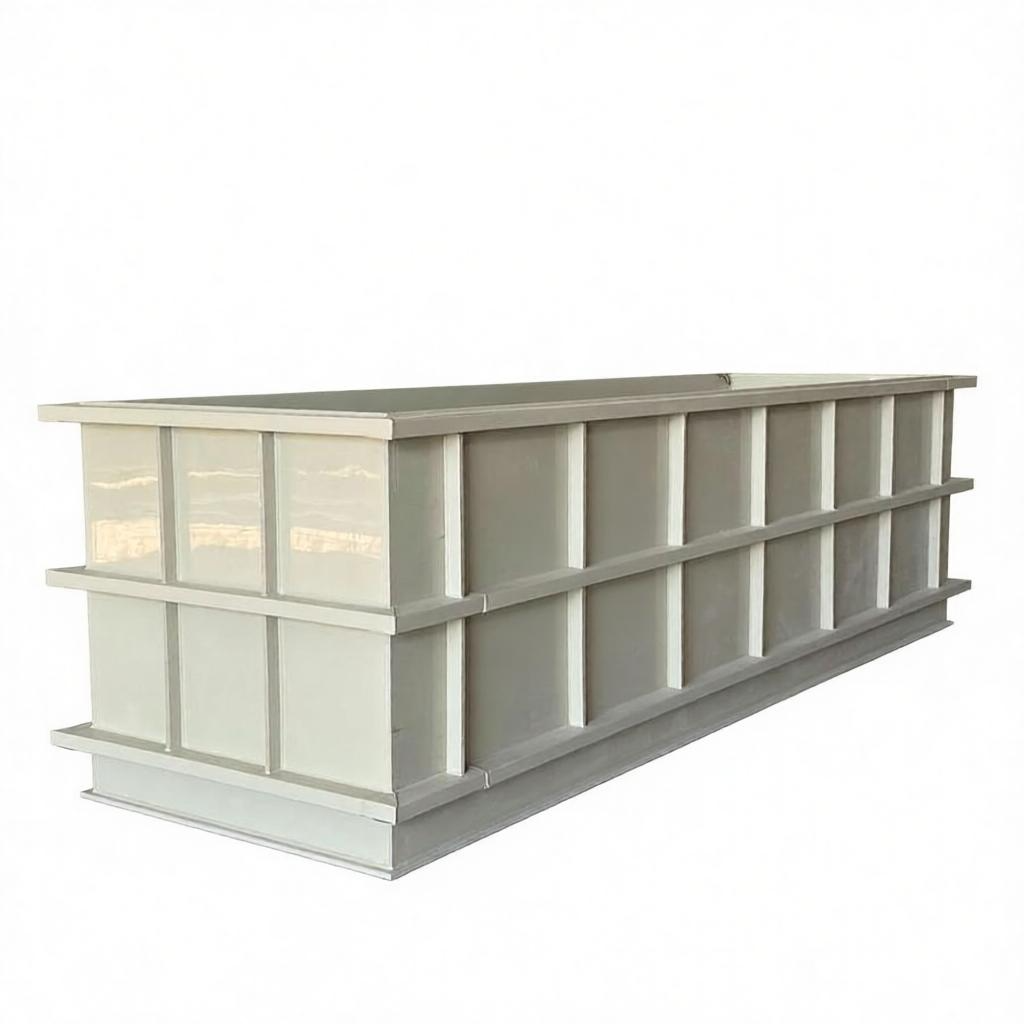
If antimony purity must reach the 5N level, a cell structure with a diaphragm must be designed, together with an electrolyte purification system. A diaphragm-free cell alone can hardly meet the standard stably; only when the diaphragm structure and the purification system work together can impurities be effectively controlled and high-purity antimony quality be guaranteed.
When determining the electrolytic cell scheme, four major factors should be comprehensively considered: electrolyte properties, temperature, oxidizing conditions, and target purity. Priority should be given to evaluating material corrosion resistance and diaphragm configuration, so as to avoid selection deviations that affect the overall performance of the antimony electrolysis equipment and product quality.