



NEWS&EVENTS
Home > News&Events > Company news > How Is Rotary Furnace Crude Antimony Efficiently Converted into Pure Antimony Liquid?
After crude antimony produced by the rotary furnace enters the next stage, it is refined by being charged together with a refining agent into a refining furnace, ultimately yielding pure antimony liquid. This step is a critical link in the antimony smelting process, connecting the preceding and following stages, and directly determines the purity and quality of the finished antimony.
After being discharged from the rotary furnace, crude antimony is charged together with a refining agent into the refining furnace according to the process ratio. Inside the refining furnace, by controlling temperature and reaction conditions, impurities in the crude antimony react with the refining agent and are effectively removed. The antimony liquid is gradually purified, ultimately yielding pure antimony liquid that meets the requirements for subsequent casting or deep processing.
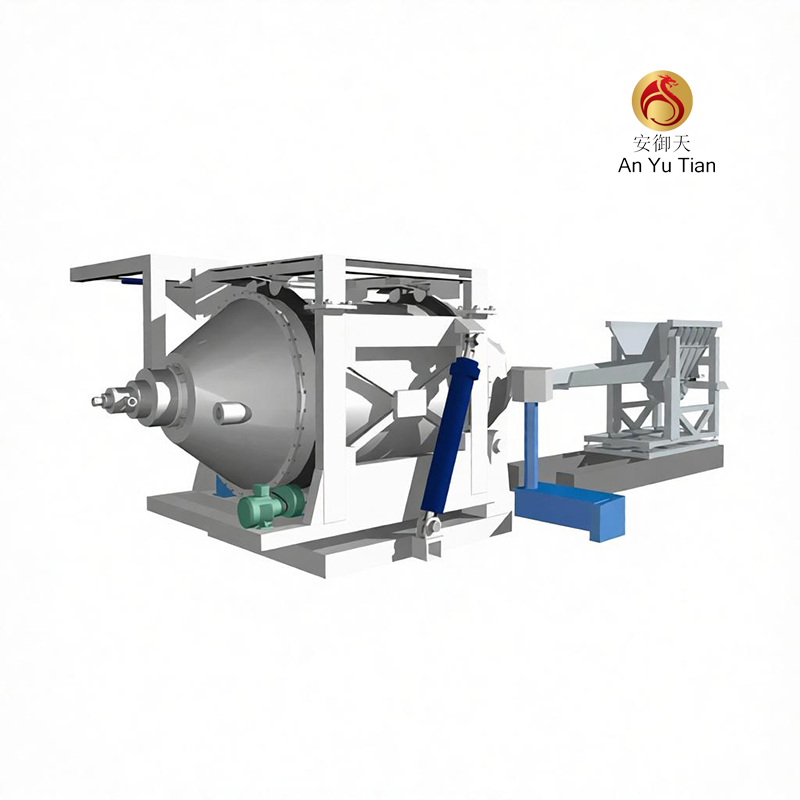
This stage requires careful control of parameters such as the refining agent ratio, refining temperature, and reaction time. A reasonable refining agent dosage improves impurity removal efficiency, while appropriate furnace temperature and holding time ensure stable purity of the antimony liquid. Standardized operation of the refining furnace is an important guarantee for improving antimony smelting recovery and product quality.
In summary, refining rotary furnace crude antimony together with a refining agent in a refining furnace to convert it into pure antimony liquid is an indispensable refining step in the antimony smelting process. Optimizing this stage helps improve antimony product purity and production efficiency, laying a good foundation for subsequent deep processing.