



NEWS&EVENTS
Home > News&Events > Company news > From Crude Antimony to Antimony Trioxide Powder: The Role of the Rotary Refining Furnace
Crude antimony first enters the refining stage, where impurity removal is carried out in a rotary refining furnace to remove impurity elements such as iron, copper, and lead, yielding relatively pure antimony liquid and laying the foundation for the subsequent oxidation reaction.
The pure antimony liquid fully reacts with oxygen in the refining furnace (oxidation furnace), and the antimony is oxidized to form antimony trioxide. This process requires control of temperature and oxygen supply conditions to ensure efficient oxidation.
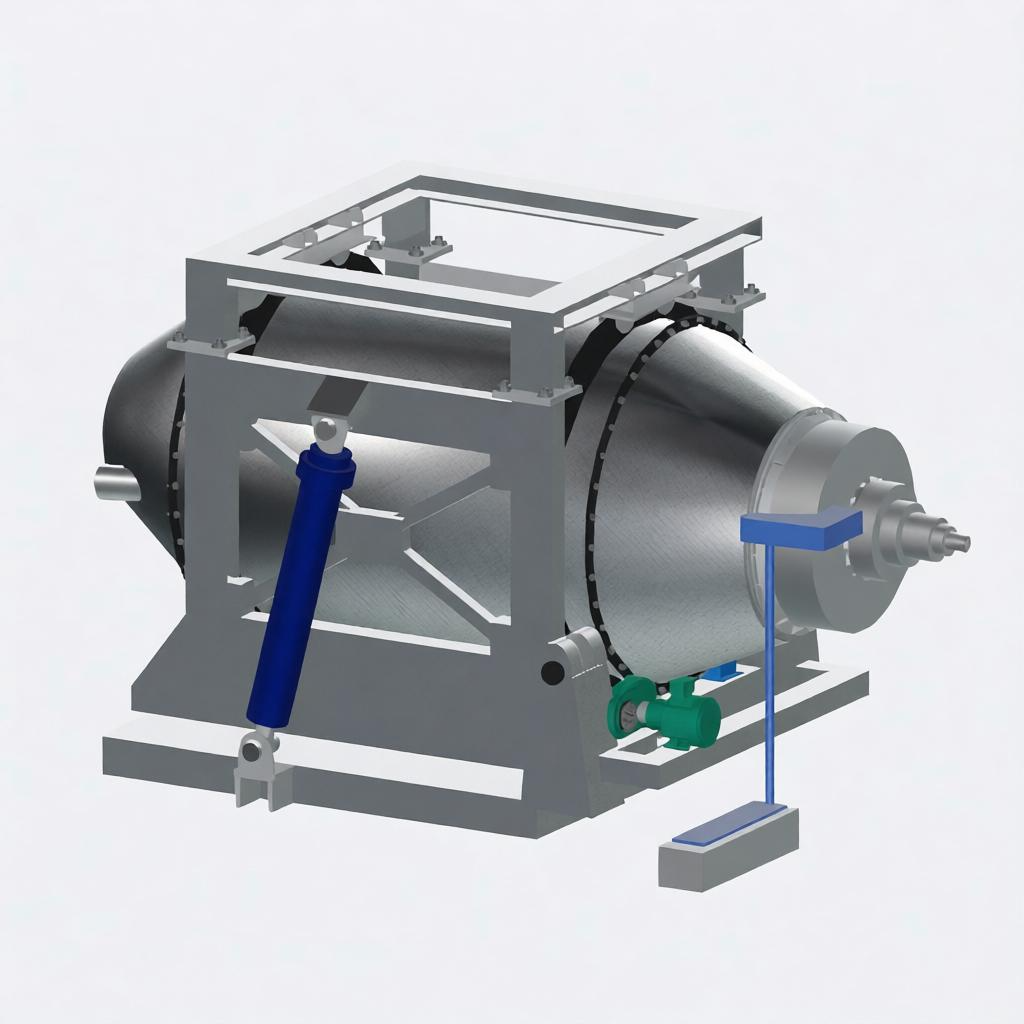
The generated antimony trioxide volatilizes at high temperature and enters the dust collection system with the flue gas. The structure of the rotary refining furnace favors full gas-solid contact, improving volatilization efficiency.
The flue gas containing antimony trioxide is collected in a dust collector, yielding an antimony trioxide powder product of uniform fineness. The dust collection system also ensures compliant tail gas emission.
The rotary refining furnace plays the key roles of refining, oxidation, and volatilization in the process from crude antimony to antimony trioxide powder, and is important equipment for achieving efficient conversion of antimony resources and environmentally friendly production.