



NEWS&EVENTS
Home > News&Events > Company news > Process for Producing Antimony Trioxide Powder via Electrolytic Antimony
Antimony is an important strategic metal. Stibnite (Sb₂S₃) is roasted in a rotary furnace at 800–1000 ℃ for desulfurization, then reduced and smelted at about 1200 ℃ to obtain crude antimony. Crude antimony contains many impurities and must be purified by electrolytic refining. The electrolytic antimony process is an essential pre-process for manufacturing flame-retardant grade antimony trioxide powder.
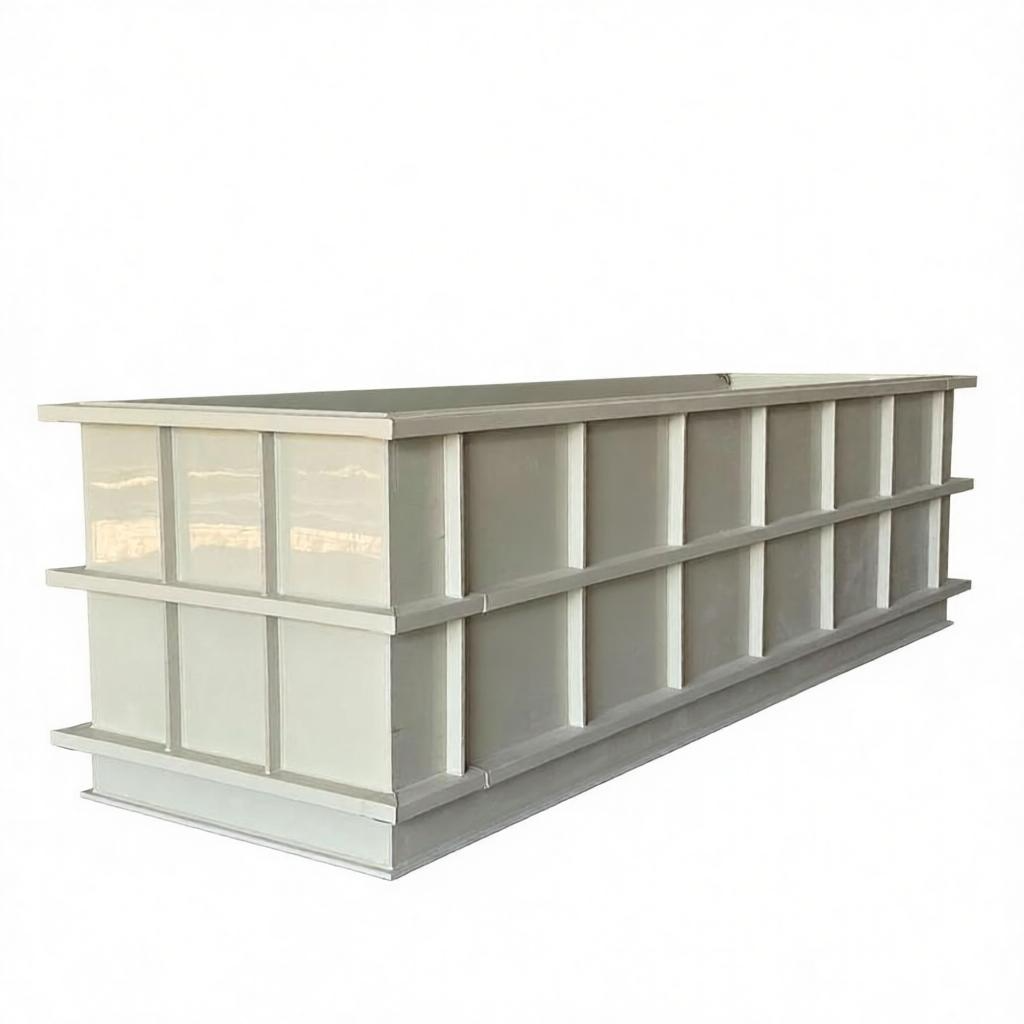
Crude antimony is cast into antimony anode plates and placed in electrolytic cells with special electrolyte. When energized, antimony on the anode dissolves into electrolyte. Precious metals such as gold and silver are enriched in anode slime for recovery. High-purity antimony precipitates on the cathode to form cathode antimony, which is remelted and cast into high-purity antimony ingots. Current, voltage and electrolyte parameters greatly affect the purity of electrolytic antimony.
High-purity electrolytic antimony ingots are fed into an oxidation furnace and melted at around 1000 ℃. Molten antimony volatilizes and oxidizes in oxygen-rich atmosphere to form gaseous Sb₂O₃. The gas is rapidly cooled and collected by baghouse filters to form fine antimony trioxide powder with uniform particle size and good whiteness. Precise control of temperature, oxygen concentration and cooling rate guarantees qualified flame retardant products.
This process combines pyrometallurgy and electrolytic purification for stable impurity control. High-purity antimony ingots from electrolytic refining are raw materials for antimony trioxide widely used in flame retardants, electronics and chemical industries. It is an indispensable core technology in the deep processing chain of antimony.