



NEWS&EVENTS
Home > News&Events > Company news > Rough antimony casting anode plate: key points and quality control of refining furnace process
In the electrolytic refining process of antimony, the key step is to melt and cast crude antimony into qualified anode plates, and the precision of the process directly affects the subsequent electrolysis efficiency and cathode antimony purity.
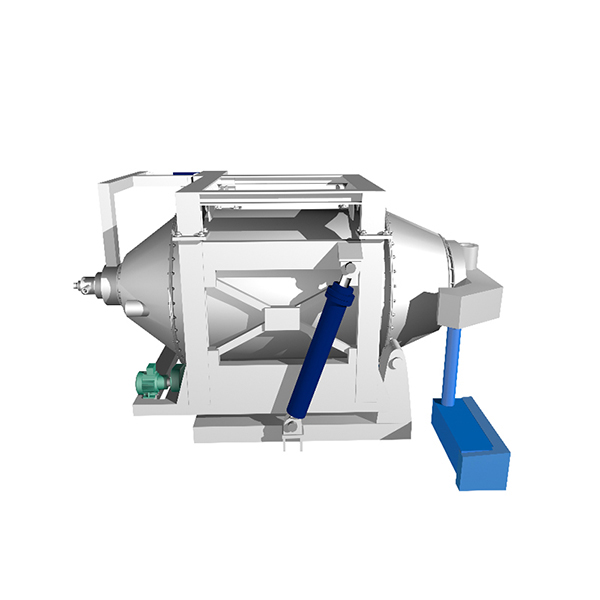
Feeding and melting are the first steps. Put the crude antimony ingot or block into the refining furnace, heat it to 700-900 ℃, and melt it into liquid state. The temperature control during this process is extremely critical and should generally not exceed 1000 ℃, otherwise antimony will volatilize excessively or oxidize to form Sb ₂ O3, causing metal loss. At the same time, the furnace should maintain a weak reducing or neutral atmosphere to reduce the oxidation of antimony solution.
After melting, enter the purification and slag removal stage. Add an appropriate amount of flux to the molten antimony, stir to make impurities slag, and after standing still, skim off the surface slag layer to improve the purity of the antimony solution. The selection of flux should be based on the type of crude antimony impurities to avoid introducing new impurities. Then sample and analyze, adjust the composition to ensure that the antimony solution meets the requirements of the electrolytic anode plate.
When casting, inject the purified antimony solution into the preheated mold at 150-300 ℃, control the casting speed evenly, and prevent shrinkage or gas inclusions caused by rapid solidification. After cooling and solidification, demold to form a regular anode plate. Subsequently, surface treatment is carried out to clean surface attachments, trim edges, ensure a flat and burr free surface, and reduce the risk of electrolytic short circuits.
Throughout the entire process, operators should take safety precautions, wear gas masks, heat-resistant gloves, etc., and maintain good ventilation on site. Finally, strict quality control is carried out on the anode plate to ensure its uniform composition, good conductivity, and small thickness error, providing physically qualified and impurity controlled anode plates for electrolytic refining, ensuring stable and efficient electrolysis process.