



NEWS&EVENTS
In the antimony rotary furnace, the core equipment in antimony smelting, ore is melted at high temperatures to produce crude antimony, while also generating a large amount of high-temperature flue gas with a complex composition. If this flue gas is discharged directly without systematic treatment, it will cause serious environmental pollution. Therefore, an efficient and coordinated flue gas treatment system is crucial. It typically consists of a circular flue, dust collector, and desulfurization tower connected in series, working together to safeguard the green production standards.
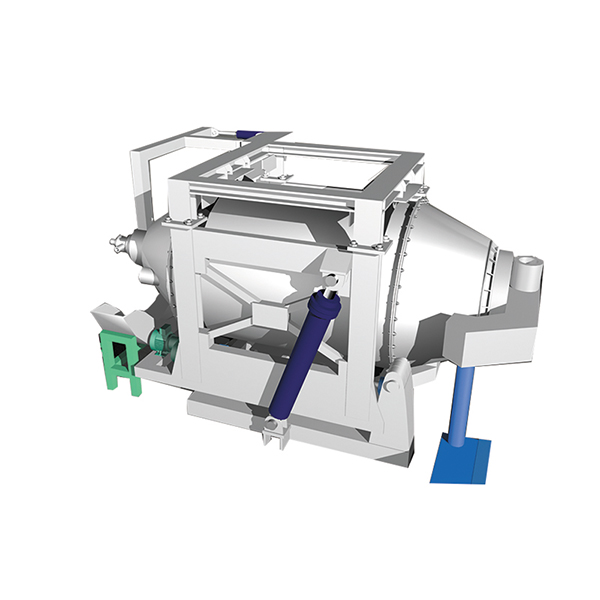
The high-temperature flue gas produced during smelting is first introduced into a circular flue. This pipe, which surrounds the outlet of the rotary furnace, not only serves as a conduit but also significantly reduces the flue gas temperature from several hundred degrees Celsius through natural heat dissipation and designed cooling. This step creates favorable conditions for the stable operation of subsequent equipment, as excessively high temperatures would damage the dust removal and desulfurization facilities.
Subsequently, the cooled flue gas enters the dust collector, a crucial step in resource recovery and pollution control. The dust carried in the flue gas contains a small amount of economically valuable antimony trioxide. Through highly efficient physical collection methods (such as bag filters or electrostatic precipitators), these fine particles are effectively recovered, achieving both comprehensive resource utilization and significantly reducing the concentration of dust emissions.
Finally, the dedusted flue gas enters the desulfurization tower to complete the final deep purification. Inside the tower, the flue gas reacts thoroughly with the desulfurizing agent (such as limestone slurry), and acidic gases such as sulfur dioxide are effectively absorbed and neutralized. After this stage, the sulfur content in the flue gas is reduced to extremely low levels.
From its origin in the antimony rotary furnace, the process undergoes three stages of precise treatment: cooling in a circular flue, recovery by a dust collector, and purification in a desulfurization tower. The ultimate goal of this entire process is clear and unwavering: to ensure that the emitted flue gas fully meets strict national environmental standards and to minimize the impact of pollutants such as sulfur dioxide and dust on the atmospheric environment.