



NEWS&EVENTS
Home > News&Events > Company news > Does the "heat storage medium" of a regenerative rectangular aluminum melting furnace require regular maintenance?
The performance of the core components of a regenerative rectangular aluminum melting furnace directly determines the energy efficiency, stability, and operating costs of the melting system. Regular professional maintenance is crucial for its efficient operation; neglecting it can lead to increased energy consumption, unstable furnace conditions, and production disruptions.
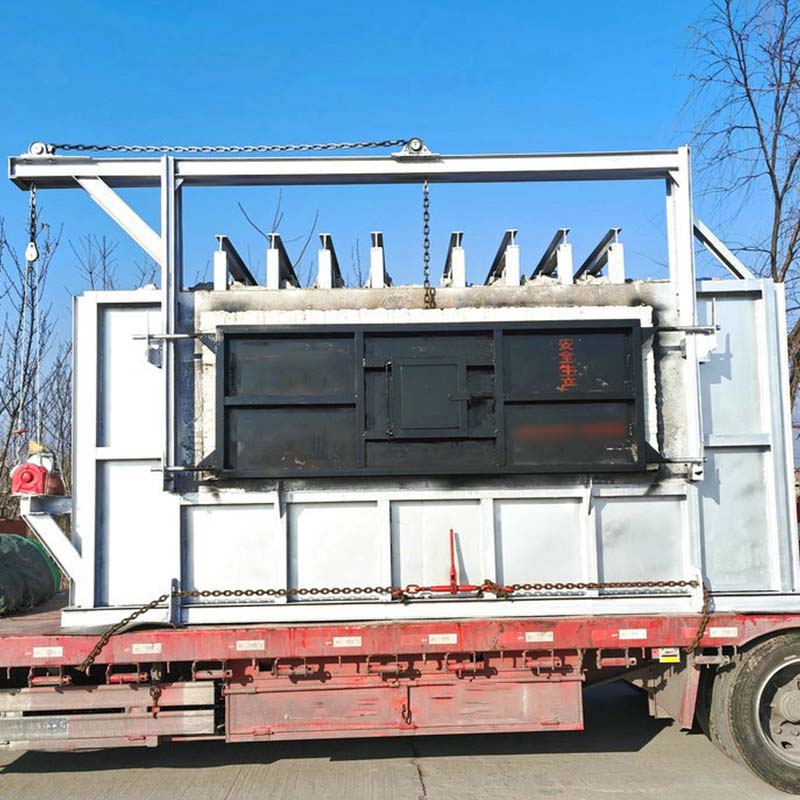
The regenerator operates in a high-temperature, alternating airflow, and specific flue gas environment of aluminum smelting, and its performance gradually deteriorates. The main failure modes are:
Dust blockage: During aluminum melting, fine alumina dust and flux volatile matter in the flue gas deposit in the pores or channels of the regenerator, increasing the resistance to flue gas and air flow, increasing the fan load and power consumption. It also disrupts heat exchange, reducing heat storage and release efficiency, leading to heat loss and increased fuel consumption.
High-temperature damage: The regenerator undergoes hundreds of "heating-cooling" cycles daily, enduring thermal stress. Local areas may soften, deform, or crack at high temperatures, and individuals with uneven quality or microcracks are more susceptible to damage. Cracked fragments can block airflow channels, creating a vicious cycle; overall structural damage reduces heat storage capacity, increasing flue gas temperature, resulting in insufficient preheating temperature of the combustion air entering the furnace, and decreased flame temperature and combustion efficiency.
Regular cleaning of accumulated dust in the regenerative rectangular aluminum melting furnace, inspection for damage, and timely replacement are key to maintaining the furnace in optimal condition and maximizing energy savings. This ensures stable production, improves aluminum melt quality, reduces gas and electricity consumption, saves costs, and protects company profits.