



NEWS&EVENTS
Home > News&Events > Company news > Rotary Anode Furnace: Core Equipment for Modern Copper Pyrometallurgical Refining
In large-scale copper smelters, the transformation of ore into high-purity electrolytic copper involves multiple stages, including smelting, converting, and refining. The rotary anode furnace serves as the critical link—or "bottleneck" equipment—connecting blister copper production with electrolytic refining, representing the state-of-the-art in modern pyrometallurgical copper refining.
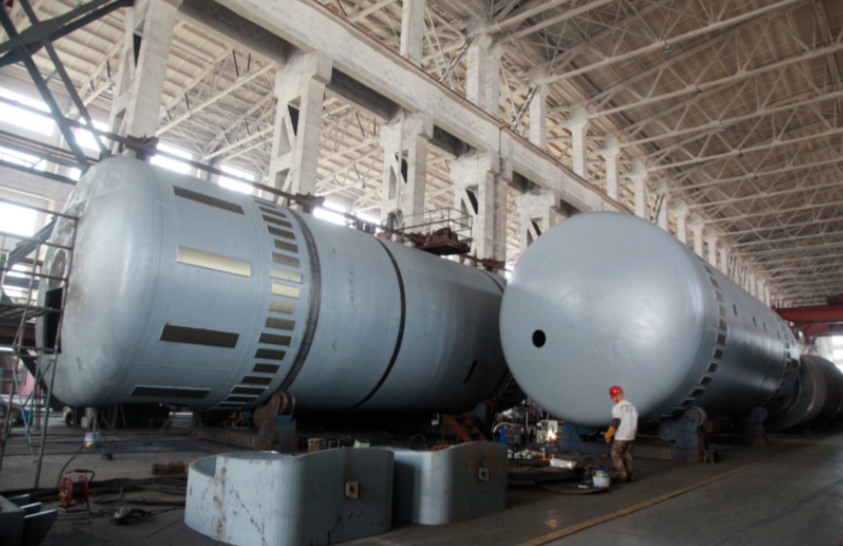
The primary function of the rotary anode furnace is to process liquid blister copper (with a copper content of approximately 98.5%–99.5%) produced by upstream flash furnaces or top-blown furnaces. Through a series of operations—such as oxidation, reduction, and slag skimming—impurities like sulfur, oxygen, iron, lead, and zinc are removed. The copper is ultimately cast into anode plates that meet electrolytic specifications, providing suitable feedstock for the subsequent electrolysis stage.
Compared to traditional stationary reverberatory furnaces, the rotary design offers significant technical advantages. The furnace body can rotate ±360°, greatly enhancing heat and mass transfer within the vessel and allowing for the seamless integration of operations such as oxidation, reduction, slag skimming, and copper tapping.
From a process perspective, the rotary anode furnace offers flexibility in handling high-grade blister copper; it is particularly adept at directly accepting hot liquid blister copper, thereby enabling sensible heat recovery and substantially reducing energy consumption. Combustion systems typically utilize natural gas or heavy oil and are equipped with advanced injection systems for oxidation and reduction. Furthermore, the application of eco-friendly technologies—such as smokeless reduction—has rendered the refining process cleaner and more efficient.
For these reasons, this technological approach is widely adopted in new and upgraded large-scale copper smelters worldwide. It has become synonymous with safety, high efficiency, low energy consumption, and environmental friendliness.
Indeed, the rotary anode furnace is more than just a piece of thermal processing equipment; it is a key symbol of the modern copper smelting industry's shift toward intensification, intelligent operation, and green development. As copper smelting technology continues to advance, this core piece of equipment will play an indispensable role in driving quality improvements, efficiency gains, and low-carbon, environmentally sustainable practices.