



NEWS&EVENTS
Home > News&Events > Company news > Selection and Maintenance of Electrolytic Copper Equipment in Copper Smelters
In the copper smelting process, electrolytic refining is the critical step for obtaining high-purity copper cathodes; consequently, the proper selection and scientific maintenance of electrolytic equipment directly impact product quality, production efficiency, and operating costs. For copper smelting enterprises, equipment selection is far more than a simple product comparison; it requires a comprehensive evaluation based on three dimensions: system integration, operational suitability, and ease of maintenance.
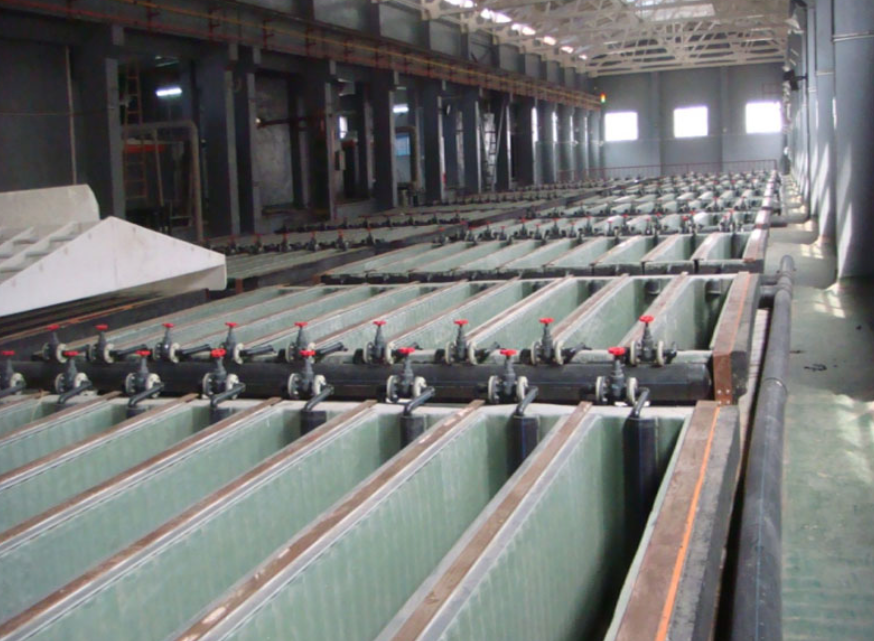
First, system integration capability is the fundamental prerequisite for selection. An electrolytic cell project is essentially a systems engineering endeavor rather than a mere equipment procurement task. A superior equipment supplier should possess robust engineering delivery capabilities, offering end-to-end solutions that span from initial design to final implementation.
Second, operational suitability is a core factor in the selection process. The performance of electrolytic cells is influenced by a multitude of factors, including material properties, structural design, electrical parameter distribution, and fluid dynamics. Selection decisions must be driven by actual operational data, with technical requirements clearly defined across dimensions such as the medium system, temperature range, electrical parameters, and mechanical installation conditions. Enterprises should avoid the pitfall of blindly comparing plate thicknesses or brand reputations; instead, they should focus on how well the equipment aligns with their specific process systems to ensure an optimal balance of electrical efficiency, energy consumption, and product quality.
Finally, ease of maintenance is crucial for long-term operational benefits. Electrolytic cells require regular inspections of key components—such as overflow ports, supernatant outlets, and sludge discharge ports—so equipment design must fully account for the practicality of maintenance and repairs. Prioritizing solutions that feature adjustable structures, ease of installation, and long service lives can significantly reduce the burden of future maintenance and the risk of downtime, thereby extending the equipment's overall operational lifespan.
In summary, when selecting and maintaining electrolytic equipment, copper smelting enterprises should adopt a mindset characterized by systems thinking, data-driven decision-making, and a pragmatic approach to achieve efficient, low-consumption, and stable electrolytic production.