



NEWS&EVENTS
Home > News&Events > Company news > Electrolytic Copper Production: Equipment and Operating Procedures
Electrolytic copper production is a crucial stage in copper smelting, utilizing electrochemical principles to refine blister copper into high-purity electrolytic copper. The core equipment for this process comprises four main components: electrolytic cells, power supply systems, filtration equipment, and cooling systems.
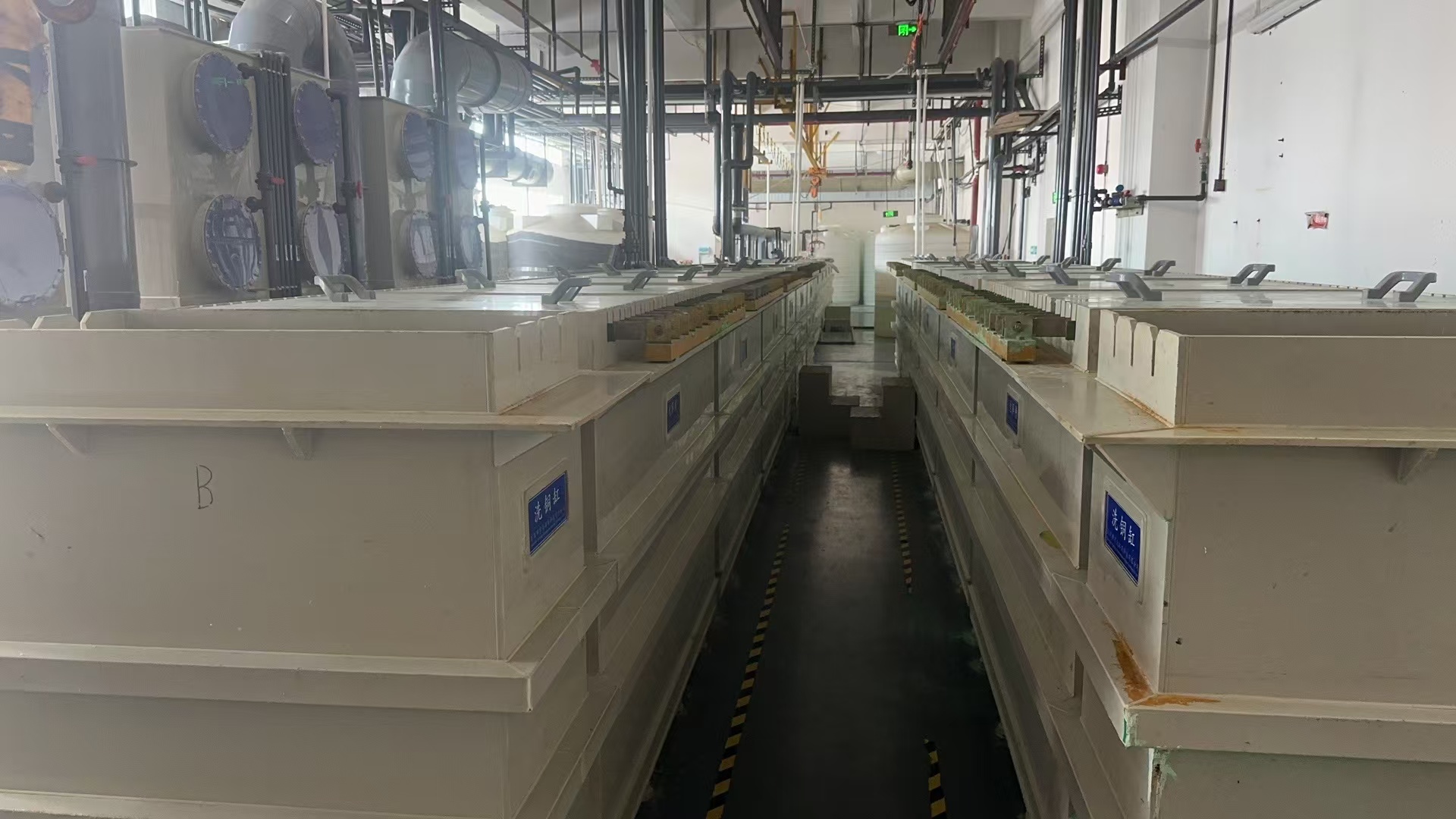
The electrolytic cell is the central unit of production; typically constructed from materials with excellent corrosion resistance—such as stainless steel—it offers good electrical conductivity and sealing properties, effectively preventing electrolyte evaporation. Power supply equipment, primarily consisting of rectifiers and voltage stabilizers, provides the stable direct current (DC) required for electrolysis, directly influencing both product quality and output. Filtration equipment removes suspended particles and impurities from the electrolyte to maintain solution cleanliness. Cooling systems dissipate the significant heat generated during electrolysis, ensuring the process temperature remains within the optimal range.
The operational procedure consists of four stages. The first is preparation: gathering raw materials and electrolyte, and thoroughly cleaning and inspecting the electrolytic cells to ensure they are free of impurities and damage. The second step is electrolyte preparation, involving the mixing of chemicals and water in precise ratios according to process specifications; the quality of this preparation directly impacts electrolysis efficiency.
The third step is the electrolysis process itself. Electrolyte is charged into the cells, and the anodes and cathodes are connected to the power supply and properly adjusted. Upon energization, copper ions are reduced to pure copper and gradually deposit onto the cathode surface. Throughout the process, current density and temperature must be strictly controlled to prevent issues such as excessive reduction or overheating. The fourth step is product handling; after electrolysis has proceeded for the required duration, the deposited copper is removed from the cathodes, washed, and subjected to further processing to yield the final pure copper product.
Electrolytic copper production involves precision equipment and rigorous operational standards; only through the coordinated functioning of all stages can high-quality electrolytic copper be produced. Driven by technological advancements, the process is continuously evolving toward greater automation and intelligence.