



NEWS&EVENTS
Home > News&Events > Company news > How should an overheating fault in a rotary copper smelting furnace be handled?
When a rotary copper melting furnace experiences an overheating fault, the following procedure should be followed:
I. Emergency Shutdown
Immediately cut off the heating power supply to stop heating. Simultaneously, check that the cooling water system is operating correctly to ensure heat dissipation from the furnace body. If abnormal noises, smoke, or molten copper splashing occur, personnel must quickly evacuate to a safe area.
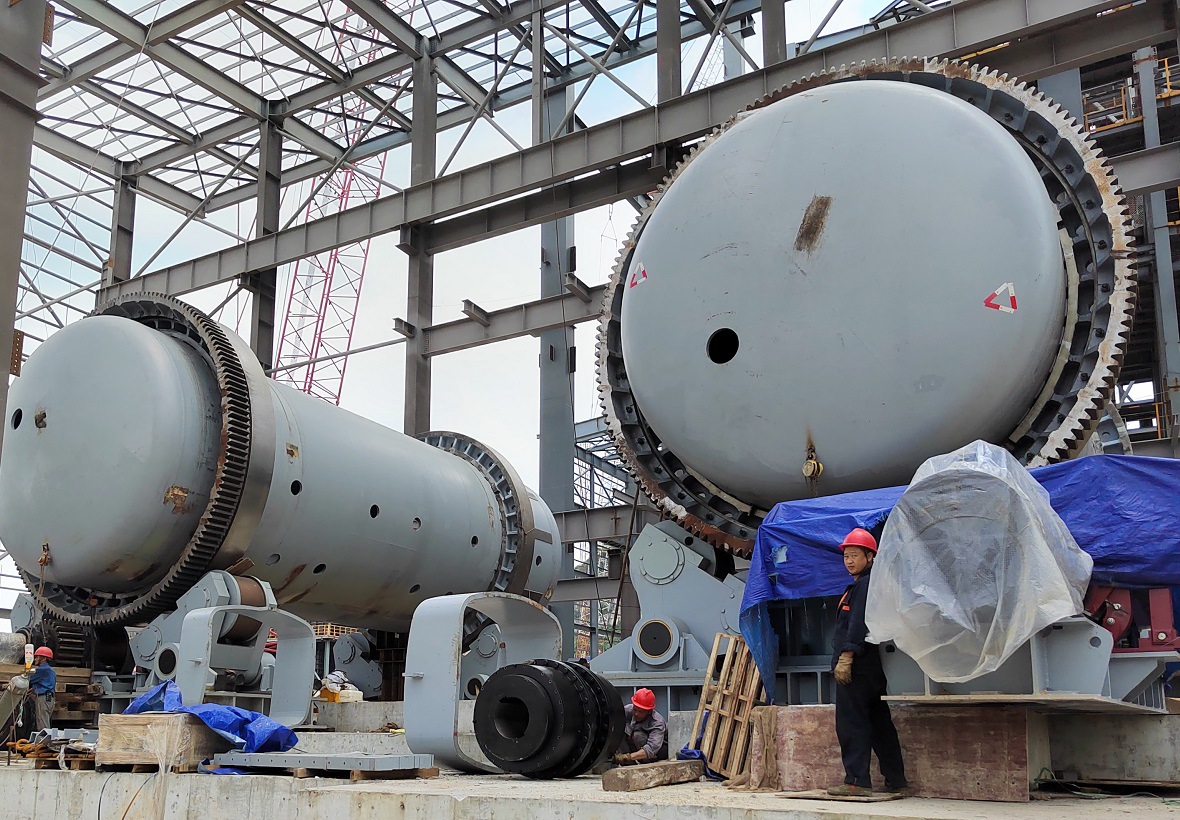
II. System Inspection (Check items sequentially)
Temperature Control System: Check if thermocouples are damaged, short-circuited, or covered by material (causing signal distortion); calibrate or replace any faulty sensors.
Heating Elements and Electrical System: Inspect heating elements (resistance wires, electrodes) for aging, short circuits, or uneven distribution; verify power supply stability and check for loose wiring.
Cooling System: Check for clogged cooling water pipes, pump malfunctions, excessive scale buildup on heat exchangers, and water quality compliance.
Furnace Body and Refractory Materials: Inspect the furnace lining for damage, spalling, or areas that have become too thin, in order to prevent abnormal heat accumulation.
III. Repair and Restart
Based on inspection findings, replace damaged temperature sensors or heating elements, or repair the cooling system. After repairs, conduct a no-load test run to observe the rate of temperature rise and the accuracy of temperature control; proceed to production charging only after confirming all parameters are normal.
IV. Preventive Measures
Establish a regular maintenance schedule: change cooling water and remove scale monthly; periodically calibrate temperature sensors; inspect electrical connections and the condition of heating elements; install over-temperature alarm devices; and train operators to avoid improper practices—such as material "bridging"—that could cause localized overheating.
The entire handling process follows a closed-loop workflow—"Immediate Shutdown – System Inspection – Repair and Verification – Preventive Maintenance"—to ensure the safe and stable operation of the rotary copper melting furnace.