



NEWS&EVENTS
Home > News&Events > Company news > What are the characteristics of the charging process for a reverberatory furnace used in scrap copper smelting?
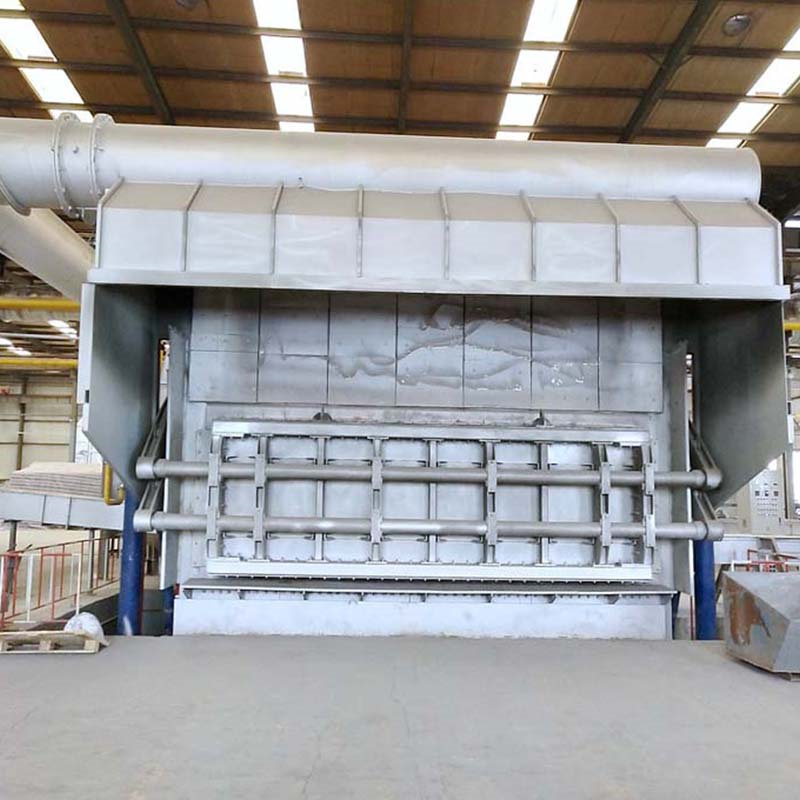
The charging characteristics of reverberatory furnaces used for scrap copper smelting are closely linked to their unique geometric structure, specifically in the following aspects:
I. Excellent adaptability to scrap materials
The rectangular furnace features a flat, spacious hearth and a wide charging door, accommodating virtually all forms of scrap copper. Whether dealing with irregular copper busbars, motor rotor copper ends, copper-bearing cables, or bundled copper chips, offcuts, and reclaimed red copper pipes, materials can be loaded directly into the furnace via grab buckets or pushers—eliminating the need for pre-cutting, crushing, or briquetting. This feature greatly simplifies material preparation, removes the strict size limitations associated with traditional circular furnaces, and significantly reduces reliance on auxiliary equipment such as shears and crushers.
II. Significantly improved charging efficiency
The large hearth volume and flat-bottom design allow for the bulk charging of materials in a single operation; combined with mechanized charging carts or pusher mechanisms, a full furnace charge can be completed within minutes. Furthermore, the flat-bottomed molten pool ensures the charge spreads evenly, maximizing contact with high-temperature flue gases and accelerating melting rates, thereby shortening the smelting cycle and boosting equipment utilization.
III. Reduced labor and auxiliary costs
The absence of complex pre-treatment not only cuts down on manual sorting and cutting tasks but also prevents dust and noise pollution associated with crushing processes. The charging process can be fully mechanized, keeping operators away from the high-temperature furnace door and enhancing safety.
IV. Operational flexibility and key considerations
Charging is typically performed in batches: scrap copper with lower melting points is added first, followed by more refractory materials, with flux added at appropriate intervals. After charging, the furnace door must be closed quickly to minimize cold air ingress and heat loss; simultaneously, flue gas extraction is adjusted based on furnace pressure to ensure a stable smelting environment.
In summary, the charging characteristics of rectangular furnaces can be described as "accepting all material types, offering convenient loading, and saving time and effort." These attributes represent a core competitive advantage over traditional smelting furnaces and serve as a crucial factor in enhancing the economic viability of scrap copper recycling.