



NEWS&EVENTS
The basic structure of a copper electrolytic cell consists primarily of three core components: the cell body, the anode, and the cathode.
Cell body: Serving as the vessel, it is typically constructed from concrete lined with corrosion-resistant material to withstand the acidic electrolyte. These cells come in various sizes and are equipped with internal supports to hold the electrodes in place.
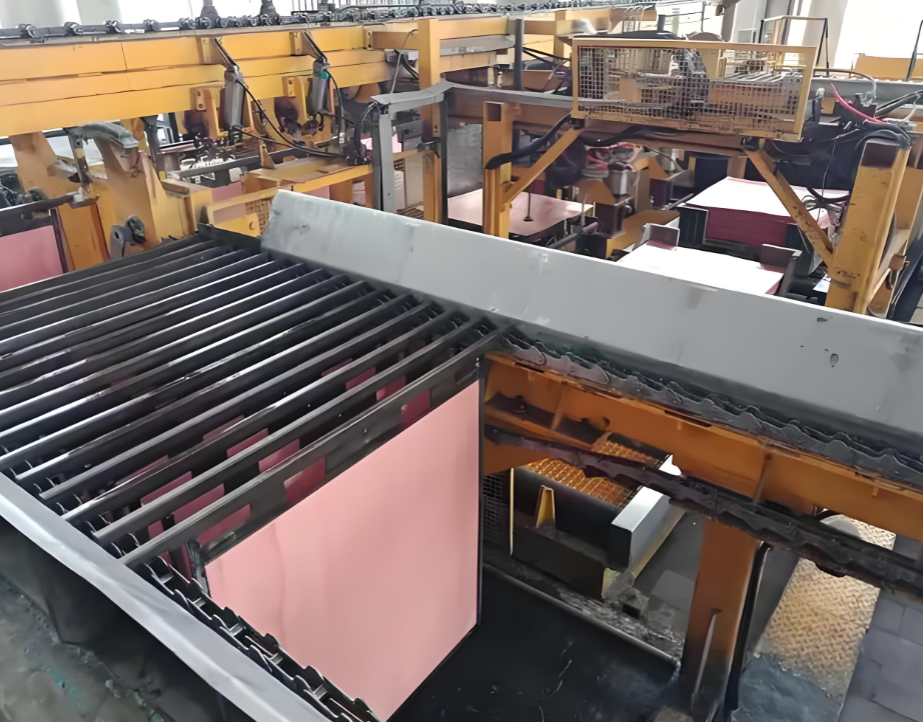
Anode: In copper electrolytic refining, the anode consists of a soluble blister copper plate. During electrolysis, the anode copper dissolves into the solution, replenishing the copper deposited at the cathode. Meanwhile, precious metals such as gold and silver present in the blister copper do not dissolve; instead, they settle at the bottom of the cell to form "anode slime," which can be recovered and processed.
Cathode: The cathode is the site where the electrolytic product is deposited; it typically utilizes either a pure copper starter sheet or a permanent stainless steel plate. Using stainless steel plates as cathodes (as in the ISA process) eliminates the need for starter sheet production and results in flatter, straighter cathodes, thereby helping to improve product quality.
Inside the electrolytic cell, anodes and cathodes are arranged in an alternating, parallel configuration with a specific inter-electrode spacing. For instance, a typical cell might hold 38 anodes and 39 cathodes. During electrolysis, the cell is filled with an aqueous solution of copper sulfate and sulfuric acid serving as the electrolyte. Upon the application of direct current, copper ions gain electrons at the cathode, resulting in the deposition of high-purity electrolytic copper.