



NEWS&EVENTS
Home > News&Events > Company news > What is the flue gas treatment process for an antimony rotary furnace?
The antimony rotary furnace is the core piece of equipment in the pyrometallurgical smelting of antimony. The high-temperature flue gas it generates must undergo a three-stage treatment process—cooling, dust removal, and desulfurization—to ensure environmentally friendly emissions and resource recovery.
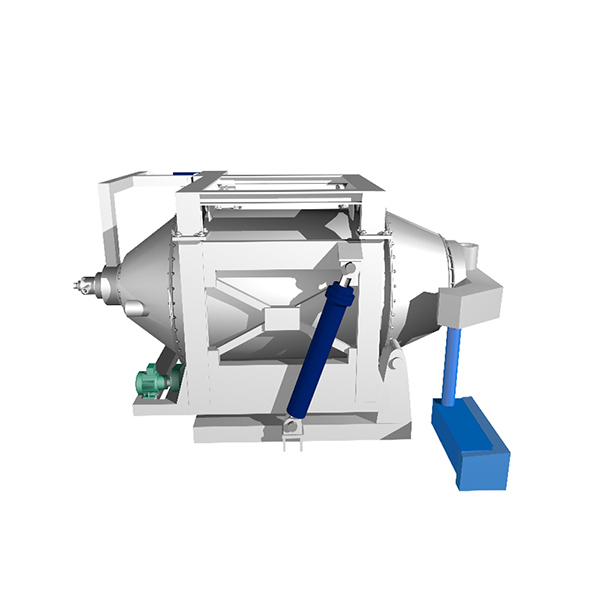
First, flue gas exiting the rotary furnace reaches temperatures of 600–800°C and enters an annular flue for primary cooling. Through a combination of natural heat dissipation and forced air cooling, the gas is rapidly cooled to 200–300°C; this not only protects downstream equipment but also facilitates waste heat recovery—such as preheating combustion air or generating steam—thereby reducing energy consumption.
The cooled flue gas then enters a high-efficiency dust removal system. Utilizing either baghouse filters (with PPS or PTFE composite filter media) or electrostatic precipitators, the system captures over 99% of dust particles. Notably, high-value antimony trioxide vapors are simultaneously recovered and returned directly to the smelting process, enabling the recycling of valuable resources.
Finally, the cleaned flue gas is routed to a desulfurization tower, where the sulfur dioxide concentration is reduced to below 50 mg/m³ to comply with national emission standards. The purified gas is discharged through a stack via an induced draft fan; an online monitoring system at the inlet ensures that emission data is monitored and controlled in real time.
This integrated process—with its interconnected stages—minimizes environmental pollution and significantly enhances the comprehensive utilization rate of resources, serving as a crucial guarantee for achieving clean production in antimony rotary furnace operations.