



NEWS&EVENTS
Home > News&Events > Company news > Exploring the Advantages of Electrolytic Refining of Scrap Copper
In the field of copper scrap recycling, electrolytic refining offers core advantages regarding purification capabilities, added economic value, and environmental friendliness.
The strength of electrolytic refining lies in its ability to produce copper cathodes with a purity of up to 99.99%. For applications in electrical engineering, electronic components, and renewable energy infrastructure, high purity translates to lower electrical resistance and reduced heat loss, directly ensuring the safety and energy efficiency of power transmission.
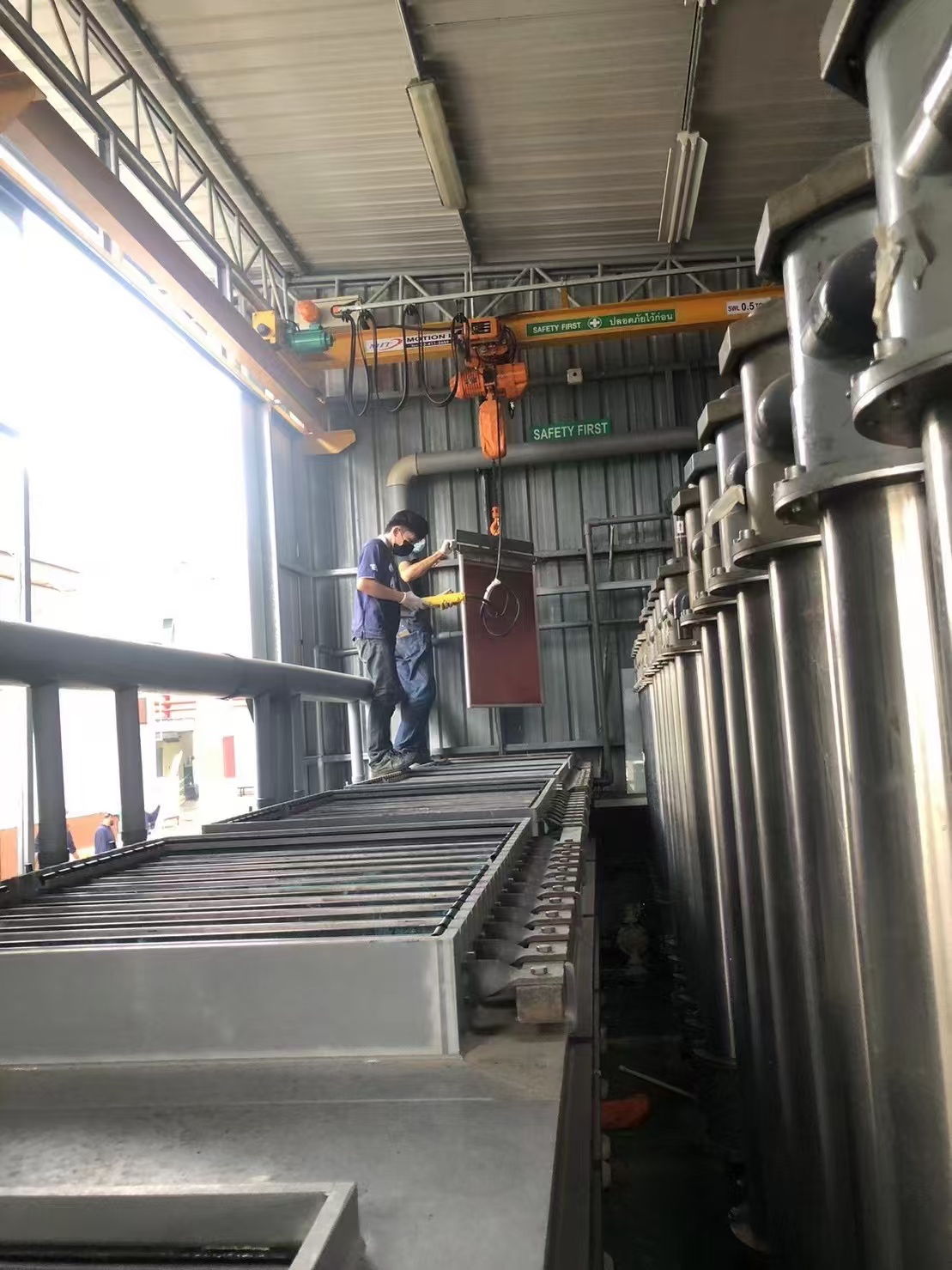
Precious metals present in copper scrap—such as gold, silver, palladium, and platinum—do not dissolve during electrolysis but instead concentrate in the anode slime. This sediment can be easily recovered, transforming what would otherwise be impurities into high-value by-products; this opens up additional revenue streams for electronic waste recyclers and significantly enhances the project's economic viability.
Unlike traditional smelting methods that require high temperatures, electrolytic refining operates under mild conditions with low energy consumption and minimal emissions of harmful gases or dust, thereby greatly reducing the environmental footprint. Furthermore, the process is highly scalable and allows for the precise customization of copper properties by adjusting current density and electrolyte composition, offering the flexibility to meet needs ranging from small-scale trials to mass production.
In summary, the electrolytic copper refining process balances product purity, the value of recovered precious metals, and a low carbon footprint. It serves as a solution that optimizes both technical performance and economic returns, particularly when dealing with high-specification applications or scrap materials containing rare metals.